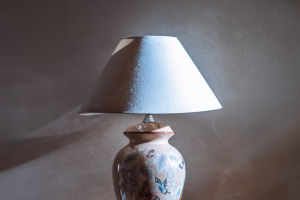
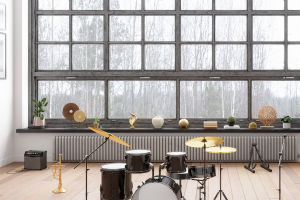
A rocking chair, a colorful ukulele, and a floor lamp can turn an ordinary corner into an interesting subject for a painting. Their different shapes, materials, and textures provide opportunities to explore composition, light, and atmosphere.
The key is to look beyond the individual objects and consider how they work together. With thoughtful arrangement, selective detail, and careful observation, you can transform a familiar interior into artwork that feels balanced, inviting, and full of character.
Build a Balanced Composition
Before painting, study how the objects relate to one another. Look at their sizes, positions, and the spaces between them. A quick sketch can help you explore different arrangements before committing to the canvas.
Choose a focal point that will attract the most attention. It might be the colorful ukulele, the rocking chair, or an area illuminated by the lamp. Use contrast, placement, and detail to give that area emphasis while keeping surrounding elements relatively simple.
The composition does not need to be perfectly symmetrical. A thoughtful balance of large and small shapes can create a more natural and interesting arrangement.
Use Shapes and Overlaps to Create Depth
A rocking chair offers curved lines that can help guide the viewer's eye through the painting. Its backrest, armrests, and rockers can connect different parts of the composition, creating a sense of movement.
Pay attention to how objects overlap. A ukulele resting against the chair, a plant partly covering a table, or a cushion extending beyond the seat can help establish which objects are closer to the viewer.
Keep the main shapes recognizable, even where they overlap. You can also simplify background furniture and decorations so the scene feels spacious rather than crowded.
Paint Different Materials Convincingly
Wood, fabric, and painted surfaces respond differently to light. Observing these differences will help the objects feel believable without requiring excessive detail.
For wooden furniture, begin with overall color and value changes before suggesting the grain direction. Use selected brushstrokes to describe the chair's curves and construction rather than painting every visible line.
For cushions or draped fabric, establish the larger folds and shadows first. Add patterns afterward, allowing them to follow the fabric's shape.
The ukulele may have a smoother, more reflective finish than the chair or fabric. A few carefully placed highlights can suggest this difference and help distinguish the materials.
Use Light to Create Atmosphere
Lighting can change the mood of an interior painting. Warm lamplight may create a cozy evening scene, while daylight entering through a window can produce a brighter, quieter atmosphere.
Observe where the main light comes from and how it affects each object. Look for highlights on curved surfaces, shadows beneath furniture, and subtle changes in color across the room.
If the floor lamp is switched on, consider how its light interacts with other sources, such as daylight. The scene does not need to have only one light source, but the relationships should remain believable.
Begin with broad areas of light and shadow before adding small reflections. This helps establish depth and keeps the composition visually unified.
Simplify Details and Control Edges
Interior scenes often contain more information than a painting needs. Books, plants, patterns, and furniture details can become distracting when everything receives equal attention.
Simplify background objects into larger shapes and reserve finer details for areas you want to emphasize. For plants, begin with groups of leaves before adding a few individual forms and highlights.
Edge quality can also guide attention. Sharper edges may help define the focal point, while softer transitions can make background objects feel less prominent.
Avoid outlining every object with the same intensity. Allowing some edges to blend into neighboring colors or shadows can create a more natural sense of space.
Add Personality Through Artistic Choices
A successful interior painting does not have to reproduce every detail exactly as it appears. Once the proportions, perspective, and main lighting relationships are established, you can make selective changes to strengthen the composition.
You might emphasize the warm tones of the wooden chair, brighten the ukulele's painted decoration, or simplify the background to create a calmer setting. These adjustments can help communicate the atmosphere you want the viewer to experience.
Small personal details can also suggest a story. A musical instrument resting beside a favorite chair or a lamp illuminating a reading corner can make the scene feel lived-in.
Use these details thoughtfully rather than adding objects simply to fill empty spaces. The goal is to create a painting that conveys the room's character as well as its appearance.
An artistic interior painting begins with noticing the beauty in familiar surroundings. By arranging objects thoughtfully, using overlaps to create depth, and observing how light interacts with different materials, you can give an ordinary room a distinctive character. Simplifying unnecessary details and making deliberate choices about color, contrast, and edges will help keep the composition clear.