Dear Lykkers, have you ever listened to a live band and found your feet moving naturally with the music? That steady pulse often comes from the drum kit. While guitars create melodies, bass adds depth, and keyboards bring color, drums connect these sounds into one musical picture.
A drummer does more than keep time. By changing rhythm, volume, and playing style, we can guide a song's flow, build excitement, and help every musician perform together.
Keeping the Whole Band in Time
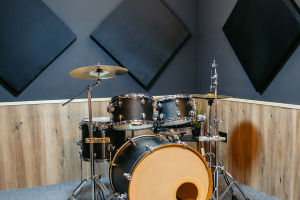
One of the main jobs of a drum kit is to provide a steady rhythmic foundation. A typical setup includes a bass drum, snare drum, toms, hi-hat, and cymbals. Each part produces a different sound, allowing the player to create patterns with both hands and feet.
In many pop songs, the bass drum marks strong beats with a deep sound, while the snare adds a sharper accent. The hi-hat often maintains a regular pulse between them. Together, these sounds create a pattern that guitarists, bass players, and keyboard players can follow.
For example, during a song at a moderate tempo, the drummer might repeat a simple pattern throughout the verse. This helps other musicians maintain consistent timing while leaving space for the singer. By listening carefully and keeping a steady pulse, we help the entire performance sound connected and natural.
Building Energy Through Rhythm
Drums also shape a song's mood. Gentle taps can create a relaxed feeling, while stronger hits and fuller cymbal sounds make the music feel more powerful. These changes help listeners recognize when a song moves from a quiet section toward an exciting moment.
Imagine a band performing a song that begins softly. The drummer might use light hi-hat taps and gentle snare hits during the opening verse. As the chorus approaches, the player can add more notes, increase the volume, and use a cymbal accent to mark the transition. The music then feels bigger without requiring every instrument to change its part.
Different styles call for different approaches. Rock often uses firm beats and energetic accents, while jazz features swinging rhythms and delicate cymbal work. In acoustic pop, softer playing can support the singer without covering the lyrics. Learning to control these details allows us to express emotion through rhythm rather than volume alone.
Helping Songs Flow Smoothly
A drummer also helps the band move between sections. Short drum fills are brief patterns played between regular beats. They can connect a verse to a chorus or prepare listeners for the ending, adding variety while keeping the pulse clear.
For instance, a drummer might play a quick series of tom hits just before the chorus begins. This signals a change and creates anticipation. However, too many notes can distract from the melody. Effective fills match the song's style, suit its energy, and leave room for other musicians.
Drummers also pay attention to pauses and endings. When everyone stops together after a final cymbal crash, that shared moment makes the performance feel complete. Clear cues and careful listening help musicians recognize when to enter, hold a note, or finish playing.
Creating Stronger Teamwork
Playing in a band requires constant communication, much of which happens through sound. During rehearsals, the drummer listens to the bass line, follows changes in guitar chords, and watches for signals from other performers. Meanwhile, the rest of the group listens to the beat and adjusts its timing.
This cooperation becomes especially important during live performances. A singer may hold a note longer than expected, or a guitarist may add a short phrase. The drummer needs to respond naturally without losing the song's direction. Listening, adapting, and staying steady help the group handle changes with confidence.
We can develop these skills by rehearsing slowly, counting beats aloud, and recording practice sessions. Listening to recordings makes it easier to notice rushed passages or unclear transitions. Practicing with a metronome can improve timing, while playing different styles builds flexibility.
Bringing Music to Life
The drum kit is much more than a source of background rhythm. It provides timing, shapes emotion, supports transitions, and encourages teamwork. When the drummer balances power with control and listens closely to fellow musicians, every instrument has a better chance to shine.
Lykkers, next time we listen to a band, let's pay attention to what happens beneath the melody. Notice how the beat changes during the chorus and how a short fill leads into a new section. Which part catches your attention most: the steady rhythm, the exciting fills, or the powerful ending? Share your thoughts and discover how drums bring musicians together.