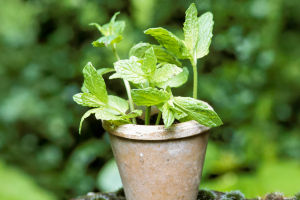
If you've ever seen a plant that thrives on little attention but rewards you with vibrant, fleshy leaves and unique textures, then Sedum sediforme might be just what you need.
This succulent, often known for its hardiness and striking appearance, is perfect for beginner gardeners or anyone looking to add a touch of green to their home.
Whether you're growing it in a garden or as a houseplant, let's explore the essential tips for nurturing Sedum sediforme.
Understanding Sedum Sediforme
Sedum sediforme is a low-maintenance, drought-tolerant succulent that belongs to the Sedum genus, widely appreciated for its attractive foliage and easy care. Its plump, waxy leaves are arranged in rosettes, and it produces small, star-like flowers in the summer.
Here's why Sedum sediforme is a favorite among gardeners:
1. Low Maintenance: It thrives in poor soil and requires little water.
2. Drought-Tolerant: Perfect for arid climates or if you often forget to water your plants.
3. Attractive Foliage: The blue-green leaves create a visually appealing addition to any garden or container.
Tip: If you're new to succulents, Sedum sediforme is one of the easiest to care for, even for those with a "black thumb."
Choosing the Right Location
While Sedum sediforme is hardy, it does have a few preferences when it comes to its environment. Finding the right spot for this succulent will ensure it grows strong and vibrant.
1. Bright Light: Sedum sediforme loves full sun, so place it in a location where it gets at least 6 hours of sunlight per day. If you're growing it indoors, a south or west-facing window is ideal.
2. Well-Drained Soil: Like most succulents, Sedum sediforme hates soggy soil. Make sure the soil drains well to prevent root rot. A sandy, gritty mix of cactus soil works best.
3. Outdoor or Indoor? You can grow Sedum sediforme outdoors in a garden or as a container plant. If grown indoors, choose a container with drainage holes.
Tip: If your plant seems to be stretching toward the light, it may be getting too little sunlight. Consider moving it to a sunnier spot.
Watering Sedum Sediforme
One of the most common mistakes with succulents is overwatering. Sedum sediforme is no exception. In fact, it's much more forgiving if you forget to water than if you water too often.
1. Water Sparingly: During the growing season (spring and summer), water the plant thoroughly when the top few inches of soil are dry. In the fall and winter, cut back on watering, as Sedum sediforme goes into a dormant phase.
2. Bottom Watering: To prevent moisture from sitting on the leaves and causing rot, consider bottom watering. Place the container in a shallow dish of water and let the plant absorb moisture for about 20 minutes.
3. Don't Let It Sit in Water: Always empty any excess water from the saucer to avoid waterlogged roots.
Tip: When in doubt, it's better to underwater than overwater. Sedum sediforme is a drought-tolerant plant and can handle periods of dryness.
Fertilizing Sedum Sediforme
Unlike other plants, Sedum sediforme doesn't need frequent feeding. Over-fertilizing can lead to weak growth, so it's important to keep it light.
1. Use a Balanced Fertilizer: During the growing season, use a diluted, balanced fertilizer (such as 10-10-10) every 4 to 6 weeks. This will provide the necessary nutrients without overwhelming the plant.
2. Avoid Winter Feeding: In the winter months, Sedum sediforme is dormant, so there's no need to fertilize.
3. Slow-Release Fertilizer: Alternatively, you can use a slow-release fertilizer once in spring to support steady growth throughout the year.
Tip: If your Sedum sediforme is growing too quickly or becoming leggy, reduce the amount of fertilizer you're using.
Propagating Sedum Sediforme
One of the most exciting things about Sedum sediforme is its ability to propagate easily, meaning you can grow new plants from the existing one.
1. Leaf Cuttings: Take a healthy leaf or stem cutting and let it dry out for a few days to form a callous. Once it's healed, place it on top of the soil in a new container and wait for roots to form.
2. Offsets: Sedum sediforme often produces “pups” or offsets, which can be separated from the main plant. Gently remove the offset and plant it in a separate container with fresh soil.
3. Watering After Propagation: After planting a cutting or offset, don't water immediately. Wait for a few days to allow the new roots to establish before watering.
Tip: Propagating Sedum sediforme is fun and easy, and it's a great way to expand your succulent collection without spending extra money.
Common Problems and How to Solve Them
While Sedum sediforme is a hardy plant, it can still face a few issues, especially if it's not being properly cared for. Here's how to tackle some common problems.
1. Leggy Growth: If your plant looks stretched out or "leggy," it likely needs more sunlight. Move it to a brighter location and ensure it's getting at least 6 hours of sunlight daily.
2. Root Rot: Overwatering or poor drainage can lead to root rot. If you notice a foul smell or soft, blackened roots, it's time to trim away the affected areas and repot the plant in fresh soil.
3. Yellowing Leaves: This could be a sign of overwatering, pests, or a lack of nutrients. Check your plant for pests, cut back on watering, and use a balanced fertilizer if necessary.
Tip: Regularly inspect your Sedum sediforme for signs of pests like aphids or mealybugs, especially during the growing season.
Sedum sediforme is a resilient and beautiful plant that requires minimal care, making it perfect for both novice and experienced gardeners alike. With the right amount of sunlight, water, and care, it will thrive and reward you with its stunning, fleshy leaves and vibrant appearance. Don't hesitate to propagate your plant and share the joy of Sedum sediforme with others!