The Quiver Tree, with its alien-like appearance and striking presence, is a plant that can easily capture the imagination.
Known for its tall, spiny branches and large, striking blooms, this remarkable tree is not only a visual spectacle but also plays an important role in its native ecosystem.
If you're intrigued by unusual plants or are looking to add a touch of the exotic to your home, the Quiver Tree might just be the perfect addition. But caring for this unique plant requires a bit of know-how. Let's explore everything you need to know about growing and maintaining this beautiful tree.
What is the Quiver Tree?
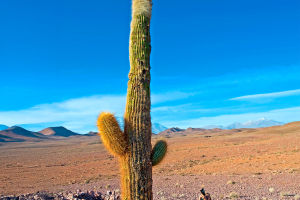
The Quiver Tree, or Aloe dichotoma, is native to the deserts of southern Africa, particularly Namibia and South Africa. Despite its name, it's not actually a tree but a species of aloe. The plant derives its name from the use of its branches by indigenous people, who crafted them into quivers for holding arrows. The Quiver Tree thrives in arid conditions, making it an ideal plant for dry climates or those looking for a low-maintenance, drought-tolerant plant.
Unique Appearance: The Quiver Tree has a distinct, branching structure, which can grow up to 20 feet tall. Its spiny, forked branches are covered in thick, fleshy leaves that help the plant conserve water. The yellow or orange tubular flowers it produces attract pollinators, making it a beautiful addition to any landscape.
Longevity: This tree can live for up to 50 years in its natural habitat, making it a long-term companion for your garden or home.
Actionable Example: The Quiver Tree can be a showstopper in a low-water garden. Consider planting it in a spot with well-drained soil where it can soak up the sunlight and thrive with minimal water.
Choosing the Right Location
The Quiver Tree thrives in a specific environment, so choosing the right spot is key to ensuring its growth. Whether you are planting it outdoors or in a container, it's important to replicate its natural desert habitat as closely as possible.
Sunlight: The Quiver Tree loves the sun. It thrives in full sun, so pick a spot that receives at least 6 hours of direct sunlight per day. Whether you're planting it outside or inside, make sure it's placed somewhere it can soak up those rays.
Temperature: This plant is accustomed to hot, dry climates, and it does not tolerate frost well. Ensure the temperature remains warm, especially during the winter months, and avoid placing it in an area where it could be exposed to freezing temperatures.
Soil: The Quiver Tree prefers well-draining, sandy or rocky soil. It's best to plant it in a container with drainage holes or in the ground where water can easily escape. Heavy, clayey soils can cause root rot, so it's important to avoid them.
Tip: For gardeners in cooler climates, it's a good idea to grow the Quiver Tree in a large container so it can be moved inside during the winter months.
Watering and Fertilizing
As a drought-tolerant plant, the Quiver Tree doesn't need to be watered frequently. Overwatering can harm the plant, so it's important to find the right balance.
Watering: The Quiver Tree should only be watered when the soil has completely dried out. During the growing season (spring and summer), water it once every two to three weeks. In the winter months, you can reduce watering to once a month. Always check the soil before watering—if it's still moist, wait a few more days.
Fertilizing: This tree doesn't require much fertilizer. A general-purpose cactus or succulent fertilizer applied once or twice a year in the spring should suffice. Avoid fertilizing during the winter when the plant is dormant.
Actionable Example: If you're growing the Quiver Tree in a container, make sure it's not sitting in a saucer of water. Empty the saucer after watering to ensure good drainage.
Pruning and Maintenance
Maintaining the Quiver Tree is relatively simple, but it does require occasional care to keep it looking its best.
Pruning: The Quiver Tree doesn't need frequent pruning. You can remove any dead or damaged branches by cutting them back to their base, which will help the plant conserve energy and prevent disease. Avoid cutting the plant back too heavily, as this could affect its growth.
Cleaning: Dust and dirt can accumulate on the leaves, so it's a good idea to clean the plant with a soft brush or cloth. This also helps prevent pests from setting up shop on the leaves.
Pest Control: The Quiver Tree is generally resistant to pests, but it can occasionally be affected by scale insects or aphids. If you notice pests, treat them with insecticidal soap or a mixture of water and tea tree oil.
Tip: Keep an eye on the plant for signs of stress, such as yellowing leaves or stunted growth. This could indicate improper watering or a nutrient deficiency.
How to Propagate the Quiver Tree
The Quiver Tree can be propagated from seeds or cuttings, though growing it from seed can be a slower process.
Propagation by Seed: If you're starting with seeds, soak them overnight before planting. Sow them in a well-draining potting mix, and keep the soil lightly moist until germination occurs. The seeds should be placed in a warm spot with indirect sunlight. Germination can take anywhere from two weeks to a month.
Propagation by Cutting: If you prefer to propagate from cuttings, take a healthy branch from an established Quiver Tree. Let the cutting dry out for a few days before planting it in a well-draining potting mix. Water sparingly until new roots start to form.
Actionable Example: If you're looking for a quicker way to propagate, cuttings are generally more successful than starting from seeds, especially for those who don't have the patience for seed propagation.
Common Challenges
While the Quiver Tree is relatively low-maintenance, it can face a few common challenges. Knowing what to look for can help you address issues before they become serious.
Root Rot: This is often caused by overwatering. Ensure that the plant's soil is well-draining and avoid letting the roots sit in water.
Leaf Curling: If the leaves are curling or turning brown, it could be a sign of too much sun, underwatering, or a sudden temperature change. Try moving the plant to a slightly shaded area and adjusting the watering schedule.
Reflection: Growing a Quiver Tree can be a fulfilling experience, especially as you watch it thrive in the right environment. With its beautiful structure and low-maintenance needs, this unique tree can become a striking addition to any home or garden.