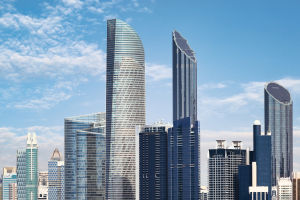
Have you ever looked up at a skyline and wondered how a few tall buildings can completely change the character of a city?
High-rise buildings are much more than impressive structures reaching toward the sky. They reflect advances in architecture, engineering, and urban planning while helping cities adapt to growing populations and evolving lifestyles.
Today, thoughtfully designed tall buildings play an important role in creating efficient, sustainable, and vibrant urban environments.
Making Better Use of Limited Space
As cities continue to grow, available land becomes increasingly valuable. Building upward allows homes, offices, hotels, and public facilities to occupy a smaller footprint while accommodating more people. This approach helps preserve space for parks, pedestrian areas, and community amenities, creating cities that are more balanced, accessible, and enjoyable for everyone.
Creating Vibrant Mixed-Use Communities
Modern tall buildings often bring together residential, commercial, recreational, and office spaces within a single development. Instead of traveling long distances throughout the day, people can live, work, shop, and relax in the same area. These mixed-use developments encourage walkability, improve convenience, and foster lively neighborhoods where activity continues throughout the day.
Shaping Memorable Skylines
A city's skyline is one of its most recognizable features. Thoughtfully designed tall buildings contribute to a distinctive urban identity through their proportions, materials, lighting, and architectural character. Rather than standing alone, well-planned towers complement surrounding buildings, creating skylines that are both visually balanced and memorable.
Supporting Sustainable Growth
Many contemporary high-rise buildings incorporate sustainable design strategies that improve energy efficiency and reduce environmental impact. Features such as natural daylight, green roofs, rainwater collection, efficient ventilation systems, and outdoor terraces help conserve resources while creating comfortable spaces for occupants. These innovations demonstrate how tall buildings can support more sustainable urban development.
Enhancing Public Spaces
Successful high-rise developments extend beyond the buildings themselves. Many include landscaped plazas, pedestrian walkways, seating areas, green spaces, and gathering places that encourage people to connect and enjoy their surroundings. When integrated with transportation networks and neighboring developments, tall buildings help create welcoming and accessible urban environments.
Driving Innovation
Designing taller buildings encourages continuous innovation in architecture and engineering. Advances in structural systems, building materials, smart technologies, and energy-efficient solutions improve safety, comfort, and long-term performance. Many of these innovations eventually benefit a wide range of other building types, contributing to better construction practices overall.
Supporting Economic Activity
Tall buildings bring businesses, services, and workplaces together in central locations, encouraging collaboration and economic activity. Many also include observation areas, restaurants, retail spaces, and cultural venues that attract visitors and add vitality to surrounding neighborhoods. By concentrating a variety of activities in one location, high-rise developments help create dynamic urban centers.
Improving Everyday Living
Beyond their impressive height, modern tall buildings are increasingly designed to enhance everyday life. Comfortable interiors, abundant natural light, shared amenities, flexible spaces, and access to outdoor areas all contribute to healthier and more enjoyable experiences. Combined with thoughtful urban planning, these features help create cities that are functional, attractive, and people-centered.
Tall buildings are far more than striking features of a skyline. They help cities make better use of space, encourage sustainable growth, strengthen local economies, and create vibrant places where people can live, work, and connect. As architecture and technology continue to evolve, thoughtfully designed high-rise buildings will remain an essential part of building smarter, greener, and more livable cities for the future.