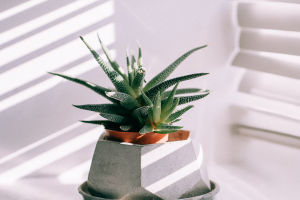
Succulents are widely appreciated for their compact form, low maintenance needs, and ability to store water efficiently.
These qualities make them a popular choice for indoor spaces. However, growing them indoors introduces new environmental conditions that differ significantly from their natural, sun-rich habitats. With the right care approach, succulents can remain healthy, balanced, and visually appealing inside the home.
Key Indoor Challenges
When grown indoors, succulents typically face three main challenges:
- Reduced light intensity: Indoor sunlight is often weaker and filtered through windows, which may lead to elongated growth or fading color if not managed properly.
- Limited air circulation: Indoor environments tend to have less airflow, which can slow evaporation and affect overall plant health.
- Moisture retention: Soil tends to dry more slowly indoors, increasing the risk of excess moisture if watering is not carefully controlled.
Selecting Suitable Varieties
Not all succulents adapt equally well to indoor environments. Compact and hardy varieties generally perform better under lower light conditions and maintain stable growth forms. In contrast, species that require intense sunlight may struggle indoors, showing signs of discoloration or uneven development.
Choosing adaptable varieties is an important first step in ensuring long-term indoor success.
Optimizing Light Conditions
Light is the most critical factor for indoor succulent health. Placing plants near bright windows—especially those with consistent natural light—helps support steady growth.
In spaces with limited sunlight, supplemental full-spectrum lighting can be used to maintain adequate brightness. Rotating plants periodically ensures even exposure, preventing uneven stretching and encouraging balanced structure.
Airflow and Watering Practices
Proper airflow helps reduce excess moisture and supports healthier root conditions. Gentle air movement or occasional ventilation can improve indoor growing environments.
Watering should be approached with care. Instead of frequent light watering, it is more effective to water deeply and allow the soil to dry thoroughly before the next cycle. Bottom watering can also be used to promote even moisture distribution while avoiding overwatering at the surface.
Soil and Seasonal Care
A well-draining soil mix is essential for succulents. Materials that improve drainage and aeration help prevent water retention around the roots. Containers should also have proper drainage to avoid water accumulation.
Seasonal adjustments are important. During warmer periods, plants may require slightly more frequent monitoring, while cooler months call for reduced watering. Growth periods typically benefit from stable light conditions and minimal disturbance.
Common Issues and Solutions
Signs such as stretched stems or uneven growth often indicate insufficient light. Adjusting placement or improving lighting conditions can gradually restore compact growth.
If pests or residue appear on leaves, gentle cleaning and improved airflow can help maintain plant health. Most common issues can be corrected early with consistent observation and timely adjustments.
Successful indoor succulent care depends on maintaining balance among light, airflow, and watering. With consistent attention and small environmental adjustments, succulents can thrive indoors and enhance living spaces with natural greenery and structure.