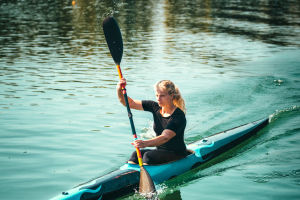
Have we ever imagined paddling across a quiet lake while enjoying fresh air and peaceful scenery? Kayaking has become a popular outdoor activity in many parts of the world because it combines exercise, relaxation, and adventure in a simple way.
From calm rivers to beautiful coastlines, kayaking gives us the chance to explore nature from a completely different view. It is suitable for beginners as well as experienced paddlers, and it can easily become a memorable part of a holiday or weekend trip.
At the same time, spending time on the water requires preparation and awareness. Good habits and proper equipment can help us feel safer and more confident during every trip.
Wear Bright and Comfortable Clothing
One important kayaking tip is choosing bright-colored clothing. On open water, kayaks can appear small from a distance, especially during cloudy weather or busy boating hours. Bright colors such as orange, yellow, or red make it easier for nearby people and boats to notice us quickly.
Comfort also matters. Lightweight and quick-dry clothing helps us stay comfortable when water splashes onto the kayak. Heavy fabrics can become uncomfortable after getting wet, especially during longer trips.
Many paddlers also bring waterproof bags to protect phones, cameras, and personal items. Keeping essential belongings dry helps avoid unnecessary stress during the journey.
Always Wear a Proper Life Jacket
A life jacket is one of the most important pieces of kayaking equipment. Even strong swimmers benefit from wearing one because water conditions can change unexpectedly.
A well-fitted life jacket helps keep the body floating and supports warmth during cooler conditions. Choosing the correct size based on body weight is very important. The jacket should fit closely without limiting movement.
Before entering the water, checking the straps and buckles carefully is a smart habit. A secure fit improves both comfort and safety during paddling.
Bright life jackets also improve visibility, which is especially helpful on larger lakes or coastal routes where other boats may be nearby.
Understand Basic Waterway Rules
Just like roads follow traffic patterns, waterways also have simple navigation rules. In many kayaking areas, paddlers usually move along the right side to reduce confusion and avoid crossing directly into the path of other boats.
Keeping distance from large vessels is also important. Bigger boats create stronger waves that may affect balance, especially for beginners using lightweight kayaks.
Floating markers and warning signs should always be respected. These signs often indicate safe routes, shallow water, or restricted zones. Following them carefully helps us avoid unexpected situations.
When sharing water with other people, smooth and predictable movement is helpful. Calm paddling and clear direction changes create a safer environment for everyone nearby.
Carry Useful Emergency Items
Simple safety tools can make a huge difference during outdoor activities. A whistle is one of the easiest and most useful items to carry during kayaking trips. Its sound travels farther than shouting and can quickly attract attention if help is needed.
A waterproof flashlight or signal light is also useful, especially during cloudy conditions or evening paddling sessions. Many paddlers also carry waterproof phone cases for maps, communication, and weather updates.
Bringing enough drinking water is another important detail. Paddling under sunlight for several hours can cause tiredness more quickly than expected. Light snacks can also help maintain energy during longer adventures.
Before leaving, checking the weather forecast is always a good idea. Calm mornings are often more comfortable for beginners because wind and waves are usually lighter earlier in the day.
Practice Basic Skills First
Many beginners become excited during their first kayaking experience and want to paddle long distances immediately. However, starting with shorter routes in calm water helps build confidence more naturally.
Learning how to turn, stop, and balance properly can improve control and make future trips much easier. Practicing these skills in a safe environment helps reduce stress while learning.
Joining a guided kayaking activity or paddling with experienced friends can also be very helpful. Watching others often makes techniques easier to understand.
Taking short breaks during the trip is equally important. Relaxing the arms and shoulders allows us to enjoy the surroundings while avoiding unnecessary exhaustion.
Enjoy Every Moment on the Water
Kayaking is more than just a sport. It is a chance to enjoy peaceful scenery, spend time outdoors, and experience a refreshing connection with nature. With proper preparation and simple safety habits, the activity becomes much more relaxing and enjoyable.
Small details like wearing a life jacket correctly, carrying emergency tools, and respecting navigation signs can greatly improve the overall experience.
Lykkers, have we already added kayaking to our future adventure plans? Whether exploring a quiet lake, a scenic river, or a beautiful coastline, careful preparation helps every paddling trip feel smoother, safer, and more memorable.