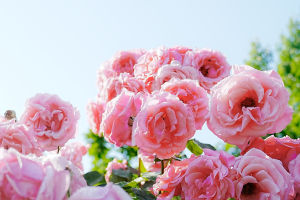
When you think of a flower that embodies grace, beauty, and a touch of mystery, the pink clematis is likely one that comes to mind.
Known for its vibrant colors and delicate, star-like petals, the pink clematis has captured the hearts of gardeners and nature lovers worldwide. But there's more to this stunning flower than just its visual appeal.
From its rich history to its surprising growth patterns, the pink clematis is full of fascinating details. Let's dive into some intriguing facts about this beloved climbing plant.
The Intricate Growth Pattern
Unlike many flowers that grow in a traditional, upright manner, the pink clematis is a vine that prefers to climb and twist around structures for support. This climbing nature is one of the key features that makes clematis so unique. Pink clematis vines can grow up to 20 feet long, and their ability to scale fences, trellises, and arbors creates breathtaking displays of floral beauty.
Interestingly, clematis flowers come in a variety of shapes, and the pink varieties are no exception. Some have large, ruffled petals, while others feature smaller, simpler blooms. The growth of the clematis is often divided into three main groups based on their blooming period and growth pattern. The most popular pink clematis varieties bloom in late spring and early summer, offering a long-lasting display of color throughout the warmer months.
Symbol of Resilience
One of the most interesting characteristics of the pink clematis is its resilience. Despite its delicate appearance, this flower is tough and adaptable. It can thrive in a variety of soil types, from well-drained loam to slightly acidic soils, and it is relatively low-maintenance once established.
The plant's ability to survive in diverse climates is another reason for its widespread popularity. Whether in cooler regions with a temperate climate or warmer zones, the pink clematis is capable of flourishing as long as it has access to sunlight and a support structure to climb. This hardiness makes it a favorite among gardeners who appreciate plants that are both beautiful and enduring.
Beneficial for Wildlife
Beyond its aesthetic appeal, the pink clematis is also beneficial to local wildlife. The flowers of the clematis attract pollinators, such as bees and butterflies, with their vibrant color and sweet nectar. As the vines grow and spread, they provide shelter and a place for birds to nest. This ecological role makes clematis an excellent choice for gardeners who are looking to support biodiversity and create a harmonious garden environment.
Additionally, the clematis vine is non-toxic to pets, unlike some other climbing plants, making it a safer choice for homes with animals. However, it's always good to ensure your pets don't nibble on the plant in large amounts, as it can cause some mild stomach upset.
How to Grow and Care for Pink Clematis
1. Choose the Right Location
Pink clematis thrives in areas with full sun but appreciates some afternoon shade, especially in warmer climates. The more sunlight it receives, the better the flowers will bloom.
2. Provide Proper Support
This plant needs something to climb on. Whether it's a trellis, fence, or arbor, providing proper support is crucial for its growth.
3. Watering and Soil
Clematis prefers moist, well-drained soil. Water the plant deeply during dry periods, but be sure not to overwater, as standing water can lead to root rot.
4. Pruning
Pruning is important for keeping your clematis healthy. Regularly cut back dead or damaged stems to promote fresh growth and improve air circulation.
5. Mulch for Protection
Apply a layer of mulch around the base of the plant to protect the roots from temperature extremes, especially during winter months.
Conclusion: The Beauty of Pink Clematis
The pink clematis is more than just a beautiful flower; it is a symbol of resilience, love, and the wonders of nature. With its captivating blooms, intriguing growth patterns, and the ability to support wildlife, the pink clematis is a treasure for any garden. Its versatility in both aesthetic and environmental contributions makes it a plant worth growing and admiring.
As we reflect on the clematis's resilience and beauty, it reminds us that strength can often be found in the most delicate of things. Just like the pink clematis climbing gracefully toward the sky, we too can embrace the challenges in our lives and rise, supported by the foundations we build.