Ever walked into a room and felt instantly calm or energized?
Chances are, the color of your walls was influencing that feeling.
Colors affect our emotions, and the paint you choose for your walls can significantly impact your mood and behavior. Whether you're designing a home or giving a room a fresh coat of paint, understanding how wall colors affect your emotions can help you create the perfect atmosphere.
Let's explore the psychology of wall colors and how you can use them to enhance your space and mood.
The Power of Warm Colors
Warm colors like red, orange, and yellow bring energy and warmth to a room. These colors are often linked to excitement, warmth, and even increased appetite, making them ideal for kitchens and dining rooms.
1. Red: Red stimulates energy and excitement, making it perfect for spaces where you want to feel more active, like a home office. However, too much red can lead to feelings of anxiety, so it is best used sparingly.
2. Orange: Orange is vibrant and friendly, promoting creativity and enthusiasm. It's great for spaces that encourage conversation, like living rooms, but it can be overwhelming if overused.
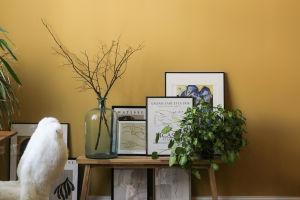
3. Yellow: Yellow is cheerful and uplifting, inspiring happiness and optimism. It's perfect for kitchens or study areas, although too much yellow can sometimes feel anxious, so balance is important.
Warm colors bring energy to a room but should be used thoughtfully to avoid overstimulation.
The Calm of Cool Colors
Cool colors like blue, green, and purple are known to promote relaxation and calmness. These colors create an atmosphere of serenity and are ideal for spaces where you want to unwind.
1. Blue: Blue is calming, often associated with the sky and sea. It reduces stress, making it a great choice for bedrooms. Lighter blues are particularly soothing, while darker blues create a more serious atmosphere.
2. Green: Green is connected to nature and balance. It's known for promoting relaxation and focus, making it perfect for living rooms or home offices.
3. Purple: Purple is elegant and tranquil, often used for creativity and spirituality. Lighter purples, like lavender, work well in bedrooms, while deeper purples create a rich, sophisticated atmosphere.
Cool colors are ideal for creating peaceful environments, perfect for relaxation or focus.
Neutrals for Balance
Neutral colors like white, gray, beige, and taupe are incredibly versatile and can complement any color scheme. These colors don't evoke strong emotions on their own but offer a balanced backdrop for other colors.
1. White: White is clean and fresh, making a space feel larger and brighter. It pairs well with almost any color, but too much white can feel sterile, so balance it with warmer accents.
2. Gray: Gray adds sophistication and modernity. Lighter grays are calming, while darker grays offer drama. However, too much gray can feel dull, so pairing it with colorful accents is recommended.
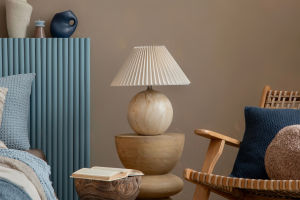
3. Beige and Taupe: These warm neutrals create a cozy, inviting atmosphere. They're versatile and work well with other colors, but overuse can feel monotonous. Add variety with textures and patterns.
Neutrals create balance and allow other colors to shine while adding a touch of warmth and versatility.
The Impact of Accent Colors
Accent colors are crucial in defining the mood and energy of a room. They allow you to add bursts of color without overwhelming the space.
1. Bold Accents: Bright colors like red or yellow can add excitement to a neutral space. These accents boost energy and creativity without dominating the room.
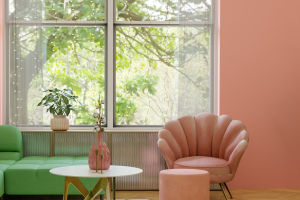
2. Soft Accents: Pastel pinks, blues, or greens can add calmness and balance to a livelier space, helping to soften the mood.
3. Metallic Accents: Gold, silver, and copper add warmth, luxury, and elegance, elevating a space without overwhelming it.
Accent colors allow you to change the mood of a room with minimal effort and offer endless design possibilities.
Consider Lighting and Room Size
Lighting plays a crucial role in how wall colors look and affect the mood of a room. Natural and artificial light can alter the appearance of colors.
1. Natural Light: Rooms with plenty of natural light can handle darker, moodier colors, making them feel cozy without becoming too enclosed.
2. Artificial Lighting: The type of lighting (cool or warm) can affect how wall colors look. Cool lighting can make warm colors pop, while warm lighting can soften cool tones.
The amount of light in a room should influence your color choices to ensure the space feels balanced and inviting.
Final Thoughts: Choose Colors that Reflect Your Mood
The color of your walls has a significant impact on the atmosphere of your home. Whether you're aiming for a peaceful bedroom or an energizing home office, understanding the psychological effects of colors can help you choose the right shades to complement your space and mood. Balance warm, cool, and neutral colors thoughtfully, and consider how lighting affects the overall vibe of the room.
With the right colors, you can transform your home into a space that feels just right—energizing, relaxing, or perfectly balanced.