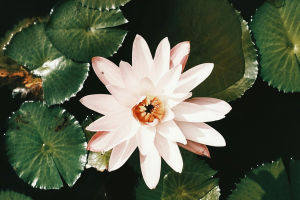
Lotus plants seem calm and effortless, floating gracefully with wide leaves and striking blooms. Yet many Lykkers find them surprisingly tricky when trying to grow them outside natural ponds. The reason usually comes down to a few overlooked details rather than lack of effort.
This guide breaks lotus care into clear, practical actions that actually make a difference. With the right setup and a better understanding of how lotus behaves, you can turn a simple water feature into something vivid and full of life. The process is not complicated, but it rewards attention and consistency.
Set Up the Perfect Water Environment
Before lotus plants can thrive, the environment needs to match what they naturally expect. Once you align with those conditions, growth becomes far more predictable and satisfying.
Choose the Right Container Depth
Lotus roots grow horizontally and need space to spread. You might notice that shallow setups limit leaf size and overall vigor. A wider and moderately deep container allows the roots to anchor and expand properly. Water depth should gradually increase as the plant matures, rather than starting too deep from the beginning. This helps young leaves reach the surface without stress.
Use Heavy Soil, Not Loose Mixes
Unlike many plants, lotus prefers dense soil that stays settled underwater. Light or loose soil tends to float and cloud the water, which interferes with root stability. A clay-based or heavy garden soil works better because it keeps the roots firmly in place. Once the soil stays undisturbed, the plant can focus on growth instead of constantly adjusting.
Water Quality Makes a Difference
Clean, still water supports healthier lotus growth. You do not need complex filtration, but you should avoid frequent disturbances. If the water becomes cloudy, letting it settle naturally often works better than constant changes. Lotus plants can adapt, but stable conditions help them develop stronger stems and leaves.
Sunlight Drives Everything
Lotus plants depend heavily on sunlight. You will see the biggest difference when they receive full sun for most of the day. Without enough light, leaves stay small and flowers may not appear at all. When placing your setup, observe how sunlight shifts throughout the day and aim for the brightest spot available.
Encourage Strong Leaves and Lasting Blooms
Once your lotus starts growing, the focus shifts to maintaining momentum. Small adjustments during this stage can lead to bigger leaves and more consistent flowering.
Feed at the Right Stage
Lotus plants benefit from feeding once they establish several floating leaves. You might feel tempted to fertilize early, but waiting until the plant is stable prevents root stress. Slow-release aquatic fertilizer works well when placed carefully into the soil. This supports steady growth without overwhelming the plant.
Manage Leaf Growth Wisely
Healthy leaves are the foundation for blooms. If you notice overcrowding, trimming older or damaged leaves can improve airflow and light exposure. This allows newer leaves to develop more efficiently. Instead of removing too much at once, gradual adjustments keep the plant balanced.
Control Water Level Gradually
As the lotus grows, raising the water level slowly helps the plant adapt. Sudden changes can stress stems and delay development. By increasing depth step by step, you allow leaves to adjust naturally. This simple habit often leads to stronger stems and better support for flowers.
Watch for Seasonal Changes
Lotus follows a clear seasonal rhythm. During active growth, you will see rapid leaf and stem development. As temperatures shift, growth slows down. Understanding this cycle helps you adjust care instead of expecting constant activity. When growth pauses, it is usually part of the natural process rather than a problem.
Keep the Surface Calm
Still water supports stable leaf growth. Frequent movement can disturb floating leaves and weaken stems. If your setup is outdoors, placing it in a sheltered spot reduces unnecessary disturbance. Calm water allows leaves to spread fully and maintain their shape.
Lotus plants thrive when their environment closely matches natural conditions. By focusing on sunlight, stable water, and proper soil, you create a foundation that supports steady growth. Small actions such as adjusting water levels, feeding at the right time, and managing leaves can significantly improve results. For Lykkers looking to grow something both peaceful and visually striking, lotus offers a rewarding experience that becomes easier once the basics are truly understood.