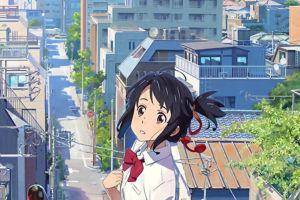
Anime, as a rich and diverse medium, spans across various genres and styles to cater to different audiences.
Two of the most prominent categories within anime are shonen and shojo, both representing distinct demographics, yet often intertwined in the anime community.
But what exactly sets these two apart? Is it the plot, the characters, or the overall tone? In this article, we will delve into the defining characteristics of both shonen and shojo anime, exploring their differences, audiences, and how these genres have evolved over time. Whether you're new to anime or a seasoned fan, understanding the distinction between these two genres will enhance your appreciation for this art form.
What is Shonen Anime?
Shonen anime, which literally translates to "boy" in Japanese, is aimed primarily at a younger male demographic, typically between the ages of 12 and 18. However, it's important to note that shonen anime can be enjoyed by viewers of all ages and genders. At its core, shonen anime revolves around themes of action, adventure, and personal growth, often featuring protagonists who are on a journey to become stronger, overcome challenges, and achieve their dreams.
Some of the most popular examples of shonen anime include Naruto, Dragon Ball Z, and One Piece. These shows often highlight intense battles, training sequences, and moments of triumph, showcasing a protagonist's development over time. The emphasis on physical action and combat makes shonen anime highly engaging for viewers who enjoy fast-paced storytelling and high-energy scenes. The characters in shonen anime tend to be resilient and determined, often embodying the values of perseverance and friendship.
What is Shojo Anime?
On the other hand, shojo anime, which means "girl" in Japanese, is aimed primarily at a younger female audience, typically between the ages of 10 and 18. Shojo anime tends to focus more on relationships, emotions, and personal connection, often featuring romantic plots or themes of self-discovery. The narratives are less action-oriented compared to shonen anime and are more introspective, dealing with the intricacies of character development and interpersonal dynamics.
Classic shojo anime like Sailor Moon, Fruits Basket, and Ouran High School Host Club emphasize the emotional journeys of the characters, often exploring themes such as love, friendship, and overcoming personal struggles. The artwork in shojo anime is often characterized by delicate, soft lines, with a focus on expressive eyes and graceful movement, which contrasts with the bolder, more intense visual style commonly seen in shonen anime.
Differences in Themes and Storytelling
The key difference between shonen and shojo anime lies in the themes and storytelling styles. As mentioned, shonen tends to focus on action, adventure, and self-improvement. The protagonist often embarks on a journey where they face intense battles, confront powerful villains, and strive to become the best version of themselves. These stories usually involve a clear-cut good versus evil dynamic, with moments of triumph and victory.
Shojo anime, in contrast, gravitates toward more emotional and relational storytelling. Romantic plotlines, complicated friendships, and internal struggles are at the heart of shojo narratives. Protagonists in shojo anime often experience personal growth through emotional experiences rather than physical challenges. The stakes in shojo anime may not always involve life-and-death situations but are deeply tied to the characters' emotional journeys, making it a more reflective experience for the viewer.
Visual Style and Art Direction
Another major difference between shonen and shojo anime is the visual style and art direction. Shonen anime tends to have a more bold and dynamic art style. The characters are often designed with muscular builds, sharp lines, and exaggerated expressions during moments of intense action. The animation often emphasizes speed, movement, and dramatic effects to create a sense of power and excitement.
Shojo anime, on the other hand, features a softer and more delicate art style. Characters in shojo anime are typically drawn with slender builds, large expressive eyes, and gentle features. The color palette is often pastel, with a focus on elegance and beauty. The design elements reflect the emotional depth of the story, with intricate details in the backgrounds and characters' movements. Shojo anime often creates a dream-like atmosphere, enhancing the romantic and emotional tones of the narrative.
Target Audiences and Appeal
While shonen anime traditionally targets young boys and shojo anime targets young girls, both genres have expanded their reach beyond these demographics. Today, both shonen and shojo anime are enjoyed by viewers of all ages and genders. In fact, many fans of shonen enjoy the emotional complexity of shojo anime, and vice versa.
Shonen anime appeals to those who enjoy adrenaline-pumping action, intense character development, and the triumph of the human spirit. It speaks to themes of friendship, courage, and self-improvement, which resonate universally.
Shojo anime, on the other hand, appeals to those who seek a deeper emotional connection with the characters and enjoy stories about relationships, identity, and personal growth. The focus on emotional depth and character exploration makes shojo anime particularly popular among those who appreciate storytelling that centers on the human experience.
Conclusion: Embracing Both Worlds
In the end, the worlds of shonen and shojo are not mutually exclusive. Each genre brings something unique to the table, whether it's the high-octane action and personal growth of shonen or the emotional depth and romantic themes of shojo. As anime continues to evolve, these genres are beginning to blend elements from both sides, resulting in anime that transcends traditional boundaries and appeals to a wide range of viewers.
So, whether you're drawn to the action-packed battles of Naruto or the heartfelt moments of Sailor Moon, there's an anime for everyone. The beauty of anime lies in its diversity, and we can all find something to connect with in either the world of shonen or shojo. Which side do you prefer—or do you enjoy both? Let's dive into the discussion and explore the endless possibilities anime has to offer!