You might think of plants as peaceful, passive beings, quietly photosynthesizing away in the sun. But some plants are out for blood—well, not literally.
Carnivorous plants are experts at “hunting” prey, using an array of clever traps and mechanisms. So, how exactly do these plants capture their meals? Let's explore the fascinating world of plant predators and how they catch their next bite.
Different Hunting Mechanisms
Carnivorous plants have evolved unique strategies to lure and trap their prey. Whether it's an insect or a small animal, these plants use different techniques to secure their next meal.
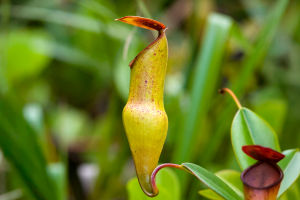
1. Pitfall Traps: Perhaps the most famous carnivorous plant, the Nepenthes (or pitcher plant), lures its prey into a deep, slippery pit. The inside of the pitcher is lined with waxy surfaces that make it almost impossible for insects to escape once they've fallen in. At the bottom of the pit is a pool of digestive fluid where the insect is eventually broken down for nutrients.
2. Snap Traps: The Venus flytrap is a classic example of a snap trap. Its leaves have modified “jaws” lined with sensitive hairs. When an unsuspecting insect touches these hairs twice, the jaws slam shut with lightning speed. This trap doesn't just catch the prey; it helps the plant digest it by secreting digestive enzymes.
3. Sticky Traps: Plants like the sundew use sticky, glandular hairs on their leaves to capture prey. When an insect lands on the leaf, it becomes stuck to the glistening drops of dew-like fluid. As the insect struggles, the plant slowly rolls its leaves, enveloping its prey and aiding in digestion.
How Plants Attract Their Prey
Just like hunters, carnivorous plants need to attract their prey. They don't go out and chase down food; instead, they use various methods to lure insects and small animals right to them.
1. Bright Colors and Sweet Scents: Many carnivorous plants are brightly colored and emit sweet-smelling nectar to attract insects. The pitcher plant often has a combination of vibrant colors and a sugary secretion that draws insects toward its trap. Similarly, sundews use their sticky droplets as a lure, with the added bonus of a scent that's irresistible to flying insects.
2. Mimicry and Camouflage: Some carnivorous plants mimic the appearance of flowers or other insects to trick their prey. For example, the bladderwort uses underwater traps that look like tiny air sacs to catch small organisms like water fleas. Its camouflage helps it go unnoticed until it's too late for the prey.
3. Movement to Attract: Some plants even use movement to attract prey. The sundew, for example, has leaves that slowly curl up as they ensnare an insect. This subtle movement can encourage more insects to land on the plant, thinking they've found a safe spot to rest—only to be trapped moments later.
The Digestive Process
Once the prey is trapped, the real work begins. Carnivorous plants have specialized mechanisms for digesting their food and absorbing nutrients that are typically scarce in their soil.
1. Digestive Enzymes: Once an insect is trapped, the plant releases digestive enzymes that break down the prey. These enzymes help the plant break down proteins, fats, and other nutrients, which are then absorbed by the plant's cells.
2. Symbiotic Relationships: Some carnivorous plants, like the Nepenthes, rely on bacteria or fungi to help with digestion. These microorganisms help break down the prey, making nutrients available to the plant. This symbiotic relationship makes the process even more efficient.
3. Absorption of Nutrients: After digestion, the plant absorbs the essential nutrients—mainly nitrogen and phosphorus—that it can't get from the poor-quality soil it typically grows in. This nutrient boost allows the plant to thrive in nutrient-deprived environments, such as bogs or swampy areas.
Why Do Plants Eat Meat?
Carnivorous plants may seem like oddities in the plant kingdom, but their predatory behavior serves an important purpose. These plants typically grow in nutrient-poor environments where soil lacks essential elements like nitrogen and phosphorus. In such habitats, obtaining nutrients from the soil alone isn't enough for their survival.
1. Adaptation to Harsh Environments: By capturing and digesting insects, these plants can supplement their nutritional intake. This adaptation allows them to survive and grow where other plants might struggle. For example, pitcher plants often thrive in boggy areas where the soil is acidic and low in nutrients.
2. Competition and Survival: In ecosystems where resources are scarce, carnivory offers a competitive edge. Carnivorous plants don't just survive—they flourish by “eating” what others cannot. This unique survival strategy allows them to outcompete other plant species that rely solely on the soil for nutrients.
Carnivorous plants are some of nature's most fascinating predators, using an incredible range of traps, lures, and digestive strategies to capture and consume their prey. While they may seem like bizarre anomalies in the plant kingdom, their ability to survive and thrive in nutrient-poor environments is a testament to nature's ingenuity. Next time you see a pitcher plant or a Venus flytrap, remember: they're not just pretty plants—they're hungry hunters.