If you've ever found yourself staring at a dull, uninspiring room and wishing for a quick makeover, you're not alone.
The good news? You don't need to spend a fortune or make massive changes to transform a space.
Modern home furnishings can work wonders in refreshing a room and giving it a new vibe. From functional pieces to aesthetic upgrades, here are some smart, stylish tips to help you create a home that feels contemporary and welcoming.
1. Focus on Minimalism with a Purpose
One of the defining features of modern home design is minimalism. This doesn't mean your home has to look empty or cold; instead, it's about making intentional choices. Keep the essential items that contribute to the functionality and design of the space, while removing clutter.
Example: A sleek, low-profile sofa with clean lines can become a statement piece while keeping the room feeling open and airy.
Start by decluttering your space—remove any furniture that doesn't serve a specific purpose or add to the overall flow. Then, choose furniture pieces that are simple but stylish. For example, opt for a coffee table with storage to keep things organized. This strategy creates both a visually calming and functional space.
2. Incorporate Neutral and Earthy Tones
The colors you choose for your home can significantly impact the overall feel of the space. Modern furnishing tends to favor neutral and earthy tones that are versatile and soothing. These colors serve as the perfect backdrop for bold, minimalistic furniture and vibrant accent pieces.
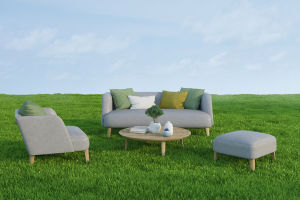
Example: A soft grey sofa paired with a warm wooden coffee table and a few green plants will create a harmonious, cozy environment.
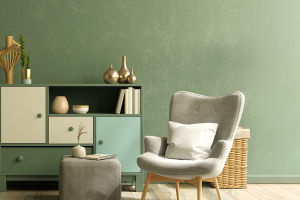
To achieve this look, consider using tones like beige, soft white, warm grey, and taupe for your walls and larger furniture pieces. Then, add pops of color through accessories like cushions, rugs, and artwork. This approach ensures that the space feels inviting without overwhelming the senses.
3. Play with Texture and Materials
Textures and materials play a huge role in modern furnishings. Mixing different textures can add depth and interest to your space. For example, pairing soft fabrics with harder materials like metal or glass can create a visually dynamic room.
Example: Try pairing a velvet armchair with a steel floor lamp, or a leather couch with a marble coffee table.
Incorporate materials like wood, glass, metal, and textiles into your furniture and decor. A mix of natural wood with polished metal finishes or a plush rug on a sleek wood floor can make a space feel sophisticated and balanced. Don't be afraid to experiment with textures to keep things interesting while maintaining a clean, modern aesthetic.
4. Invest in Multi-Functional Furniture
In smaller homes or apartments, every inch of space counts. That's where multi-functional furniture comes into play. These pieces are designed to serve more than one purpose, making them perfect for modern living.
Example: A sofa bed is ideal for hosting guests in a small living room, while a dining table with extendable leaves can accommodate both intimate meals and larger gatherings.
Look for furniture that adapts to your needs, like convertible couches, fold-out desks, or storage ottomans. These types of pieces can make your space more versatile without sacrificing style or comfort.
5. Add Statement Lighting
Lighting is often an overlooked aspect of home furnishing, but it can completely change the atmosphere of a room. Modern homes thrive on well-placed lighting that serves both a functional and decorative purpose. Statement lighting, such as pendant lights or sculptural floor lamps, can create a visual focal point and elevate the overall design.
Example: A bold chandelier above a dining table or a sleek floor lamp in the corner of a living room can serve as both light sources and art pieces.
When choosing lighting, think beyond the standard ceiling fixture. Layer your lighting to create ambiance—use table lamps, track lights, and wall sconces to add warmth and character to your space. And don't forget to use dimmer switches for flexibility, allowing you to adjust the lighting based on the time of day or mood you want to create.
6. Integrate Natural Elements
Bringing nature indoors is a popular trend in modern home design, and for good reason. Natural elements like plants, wooden furniture, and natural stone add warmth and life to a space. They also promote a sense of well-being and balance.
Example: Incorporating large leafy plants like a fiddle leaf fig or a rubber plant can add a touch of greenery and texture to your room.
Consider adding a few plants to your living space or using wooden accents in your furniture, such as a wooden coffee table or a wooden frame for a piece of art. Stone elements, like a marble kitchen countertop or a stone sculpture, can also provide a natural touch that enhances the modern aesthetic.
7. Focus on Art and Accessories
Art is a great way to inject personality into a modern home. Whether it's a large, colorful painting above the sofa or a minimalist sculpture on a shelf, art and accessories can define the space and set the tone.
Example: A large abstract painting on the wall can add a bold splash of color to a neutral living room.
When choosing art, think about how it complements your overall color scheme and style. Don't overcrowd the room with too many pieces; instead, focus on a few statement items that reflect your personality. Simple accessories like a stylish throw, modern vases, or chic photo frames can also help pull the space together.
Creating a modern home doesn't mean you have to completely overhaul your space. By incorporating a few key principles—minimalism, neutral tones, texture variety, multi-functional furniture, statement lighting, natural elements, and thoughtful art—you can easily refresh your home's look without going overboard. Start small, and soon enough, you'll have a stylish, modern space that feels both comfortable and functional.