Antarctica often feels like the last untouched corner of our planet—icy, pristine, and wild. But beneath its frozen surface, a hidden threat is emerging: heavy metal pollution.
Metals like mercury, lead, and cadmium are quietly accumulating in the soil, snow, and water. These pollutants can travel long distances through the atmosphere or arrive via human activities like research stations, tourism, and shipping.
We might think that being far from cities protects Antarctica, but heavy metals do not respect distance—they spread and linger in this fragile environment.
Sources of Heavy Metals
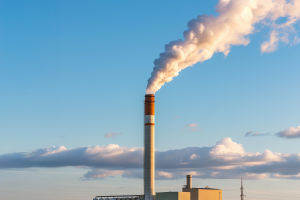
When we look at where these metals come from, several human activities stand out. Research stations often use equipment and chemicals that contain trace metals. Ships visiting Antarctica can release small amounts of fuel residues, engine exhaust, or metal-containing waste. Even tourism contributes: souvenirs, packaging, and discarded metal items, if not managed properly, can slowly introduce metals into the environment. Atmospheric deposition is another route—heavy metals emitted in other parts of the world can travel thousands of kilometers and settle in Antarctica.
Impact on Wildlife
Heavy metals are toxic, even in small amounts. When we consider the local wildlife, the effects can be serious. Birds, penguins, seals, and tiny marine organisms can absorb these metals through food, water, or direct contact. Over time, metals accumulate in their bodies, affecting reproduction, growth, and immune systems.
For example, mercury can travel up the food chain, meaning predators at the top can have dangerously high levels. We might think Antarctica’s wildlife is safe, but heavy metals show how interconnected ecosystems are, and how distant pollution can reach even the coldest, most remote habitats.
Environmental Consequences
The impact is not only on animals. Soil and ice can store heavy metals for years, slowly releasing them into rivers, lakes, and oceans. This contamination can alter microbial activity, reduce nutrient cycling, and affect the growth of local plants and algae. We also face a global issue: melting ice due to climate change can release previously trapped heavy metals, spreading pollution even further. Antarctica’s purity is at risk, and we are beginning to see the first signs of a problem that could have long-term consequences.
How We Can Respond
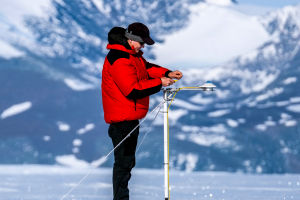
The good news? We are not powerless. First, strict environmental regulations at research stations, tourist sites, and shipping routes can limit metal contamination. Using cleaner fuels, safe waste storage, and proper disposal of chemical materials is crucial. We can also use modern monitoring techniques like remote sensors, drones, and ice core analysis to detect and track pollution in real time. Public awareness matters too—when we share knowledge about heavy metal risks, everyone can make smarter decisions to protect the continent.
Balancing Exploration and Protection
We want to study and explore Antarctica, but we must do it responsibly. Heavy metal pollution shows that even small actions can have far-reaching effects. By planning activities carefully, using eco-friendly technology, and minimizing waste, we can reduce our impact. We need to remember: protecting Antarctica isn’t just about keeping it beautiful—it’s about preserving ecosystems that connect to the global environment.
Why It Matters to All of Us
Heavy metals in Antarctica might feel distant, but the consequences are global. Contaminated wildlife can affect the food chain, and ice melting can release pollutants into oceans, impacting climates and ecosystems worldwide. We all share the responsibility to act now. By supporting regulations, reducing pollution, and promoting scientific research with care, we contribute to a healthier planet.
Join the Effort
Lykkers, Antarctica needs our attention more than ever. Every small action—reducing metal waste, monitoring research activities, supporting eco-conscious tourism—matters. Together, we can prevent heavy metals from turning this pristine land into a contaminated environment. Let’s protect the ice, wildlife, and the interconnected ecosystems that sustain life on Earth.